
Introduction
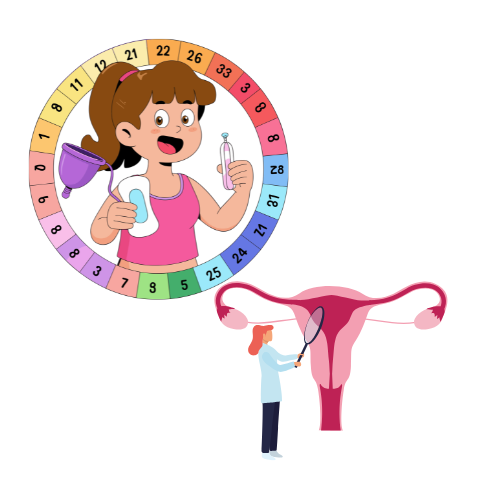
Learning how to calculate ovulation is one of the most important skills for trying to conceive or understanding one’s menstrual cycle. Knowing exactly when ovulation happens helps you identify your fertile window and increase your chances of pregnancy naturally.
You may have heard things like “ovulation is always on day 14” or “just use an app, and you’ll be fine. Unfortunately, these myths confuse, miss fertile windows, and cause unnecessary stress—especially for women trying to conceive (TTC). Learn how to calculate ovulation correctly, track your fertile window for women, and increase your chances of conception with this step-by-step guide. You will learn how to calculate ovulation step by step, track your fertile days
Ovulation is not one-size-fits-all. Your cycle length, hormones, stress levels, health, and lifestyle all affect when (and if) you ovulate.
In this detailed guide you will learn:
- What ovulation really is
- How to calculate ovulation based on your cycle length
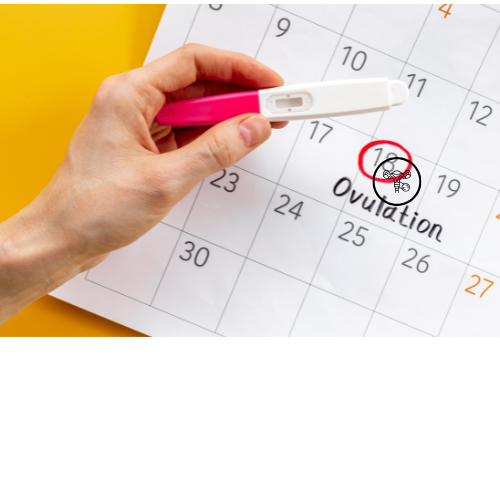
- The most accurate methods to confirm ovulation
- Common mistakes women make
- How to track ovulation naturally without stress
Whether your goal is pregnancy, cycle awareness, or hormonal balance, this guide will help you take control of your body with confidence.
What is Ovulation?
Ovulation is the process by which one ovary releases a mature egg into the fallopian tube. This egg survives for 12–24 hours. If sperm fertilize the egg during this time, pregnancy can occur, and understanding is crucial for fertile window calculation.
Sperm, however, can live inside the female body for up to 5 days. This is why the fertile window is not just ovulation day, but several days leading up to it. Knowing your ovulation cycle can help women track their fertile days. Knowing your ovulation cycle helps women track their fertile days and increase chances of conception.
 Key Point:
Ovulation is the center of your menstrual cycle—not your period.
Why Calculating Ovulation Correctly Matters
Many women focus only on their period and ignore ovulation. Tracking ovulation accurately helps you know your fertile days and plan for pregnancy. Using an ovulation tracker or a fertile window calculator ensures that you are targeting the optimal time to conceive. Calculation ovulation correctly allows you to plan your pregnancy timtimingimg naturally.
But ovulation affects:
- Fertility and conception
- Period regularity
- Hormonal balance
- Mood and energy levels
- Skin and weight changes
If you’re TTC and not calculating ovulation correctly, you may:
- Miss your fertile window
- Have perfectly timed intercourse—but on the wrong days
- Feel frustrated despite “doing everything right”
Understanding ovulation brings clarity, peace, and better results.
Step-by-Sept Ovulation Calculation
Step 1: How to Calculate Ovulation Using Your Cycle Length (This Is Non- Negotiable)
Count from the first day of your period to the day before your next period. Most cycles are 28-32 days. This helps with accurate fertile window
Day 1 of your period → the day before your next period starts
Examples:
- If your period starts on March 1 and the next starts on March 29 → cycle length = 28 days
- If it starts March 1 and next is March 25 → cycle length = 24 days
 DO NOT guess your cycle length. Track at least 3 months for accuracy.
Step 2: Understand the Luteal Phase Rule
Here’s a fact many women don’t know:
The luteal phase (after ovulation) is usually 12–14 days long.
This means:
- Ovulation happens 12–14 days BEFORE your next period
- NOT always on day 14 of your cycle
Ovulation Formula:
Cycle Length – 14 = Estimated Ovulation Day
Step 3: Calculate Ovulation Based on Your Cycle Length
Example 1 : 28- Day Cycle
28-14= Day 14 Ovulation
Fertile window: Days 9-14
Example 2 : 26- Day Cycle
26-14= Day 12 Ovulation
Fertile window: Days 7-12
Example 3: 30- Day Cycle
30-14 = Day 16 Ovulation
Fertile window: Days 11-16
Example 4 : 35- Day Cycle
35-14 = Day 21 Ovulation
Fertile window: Days 16-21
This is why women with longer or shorter cycles often miss ovulation when they rely on generic advice.
Step 4: Understanding Your Fertile Window
Your fertile window includes:
- 5 days before ovulation
- Ovulation day
This is because sperm can survive up to 5 days, but the egg only survives 1 day.
Understanding ovulation brings clarity, peace, and better results.
Daily intercourse is NOT necessary. Timing is more important than frequency.
Step 5: Confirm Ovulation With Body Signs (Very Important)
Calendars estimate ovulation- but your body confirms it
1. Cervical Mucus Change ( Most Reliable Natural Sign)
As ovulation approaches, cervical mucus becomes:
- Clear
- Slippery
- Stretchy (like egg whites)
This type of mucus helps sperm survive and travel.
Egg-white cervical mucus = high fertility
2. Ovulation Pain (Mittelschmerz)
Some women feel:
- Mild pain or twinge on one side of the lower abdomen
- Usually lasts a few hours
Not all women feel this—but if you do, it’s a helpful sign.
3. Basal Body Temperature ( BBT)
After ovulation, progesterone causes:
- A rise in body temperature
BBT confirms ovulation after it has happened, not before—so it’s best used to understand patterns.
Step 6: Using Ovulation Predictor Kits (OPKs Correctly)
OPKs detect an LH surge, which happens 24–36 hours before ovulation.
Common mistakes:
- Testing once a day only
- Testing too early or too late
- Assuming LH surge = ovulation guaranteed
LH surge means ovulation is likely, but stress, PCOS, or hormonal imbalance can cause false positives.
Best practice:
- Test twice daily when close to fertile window
- Combine OPKs with cervical mucus tracking
Key Takeaways
- Calculating ovulation identifies the best fertile days.
- Using ovulation trackers and fertile window calculation increases your chances of conception.
- Monitor your cycle and physical signs for extra precision.
- Your ovulation calendar is your most important planning tool.
Tips for Accurate Calculation of Ovulation
- Track your period consistently every month
- Combine physical signs with ovulation prediction tools
- Note irregular cycles to improve prediction accuracy
- Use ovulation calendar to stay organized
Common Ovulation Calculation Mistake Women Make
- Assuming ovulation is always 14 days
- Trusting apps blindly
- Ignoring body signs
- Stressing too much ( which delays ovulation)
- Having intercourse only on ovulation days.
Ovulation works best when approached with awareness, not anxiety
Can You Ovulate Late or Not Ovulate at All?
Yes.
Ovulation can be delayed or skipped due to:
- Stress
- Weight changes
- Illness
- Travel
- Hormonal imbalance
- PCOS or thyroid issues
Late ovulation means:
- Longer cycle
- Later period
This does NOT automatically mean infertility.
How Apps Can Help ( But Not Replace Awareness)
Period apps estimate ovulation using algorithms—not hormones.
Apps are useful for:
- Logging cycles
- Tracking patterns
Apps are NOT reliable alone for:
- TTC
- Avoiding pregnancy
Always pair apps with body signs.
How to Track Ovulation Without Stress
- Track cervical mucus daily
- Know your average cycle length
- Use OPKs only during fertile window
- Avoid obsessing over one single day
Fertility works best in a calm body.
When to Seek Help
If you’ve been tracking correctly and:
- TTC for 12 months (<35 years)
- TTC for 6 months (>35 years)
- Have very irregular cycles
- Never see ovulation signs
Then it’s okay to seek professional guidance.
Final Thoughts
Your body is not broken.
Ovulation is not random.
You don’t need to be perfect—you need to be informed.
When you calculate ovulation correctly and listen to your body, everything becomes clearer: your cycle, your fertility, and your confidence as a woman.
Pingback: Stress-Free Fertility Tracking: Track Your Cycle Easily
Pingback: Irregular Menstruation: How to Overcome Frustrating Cycle
Pingback: Trying to Conceive Naturally? 15 Proven Fertility Tips