
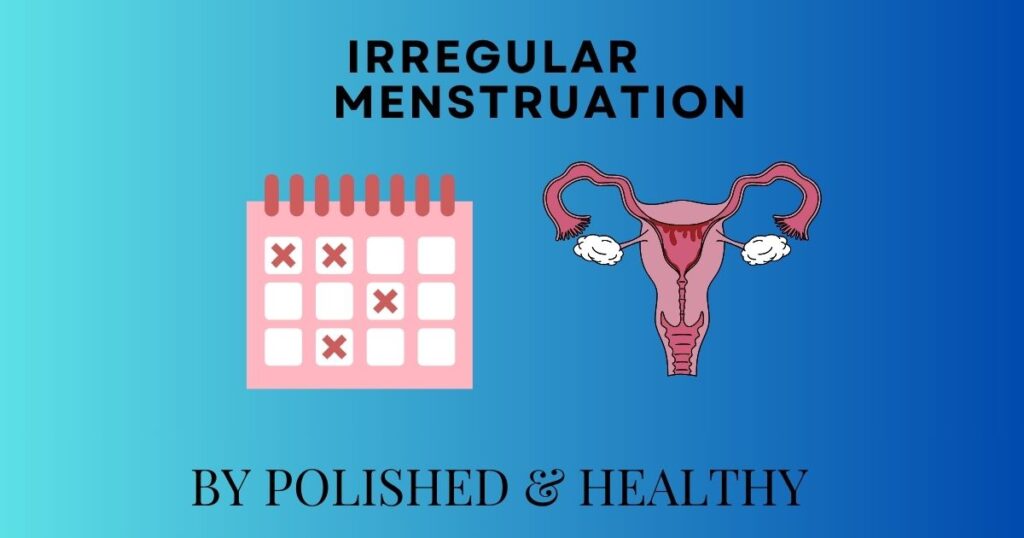
What Is Irregular Menstruation?
Irregular menstruation is a common concern for many women. However, it can feel confusing and stressful when your period does not follow a clear pattern.
Irregular menstruation happens when your menstrual cycle changes in timing, length, flow, or pattern from month, to month. In most women, a normal menstrual cycle last between 21- 35 days
However, when periods come too early, too late, are skipped, or vary widely, they are considered irregular.
In most cases, irregular period is not dangerous. Still, it can signal changes in your hormones, lifestyles, or overall health. Therefore, understanding what is happening is very important
In this article, you will learn what irregular menstruation means, why it happens, and how it can be managed. Most importantly, you will know when it’s time to see a doctor. By the end, you will feel more informed and confident about your menstrual health.
What Is Considered a Normal Menstrual Cycle?
A healthy menstrual cycle usually includes:
- A cycle length of 21-35 days
- Bleeding that lasts 3-7 days
- Mild to moderate cramps
- Predictable monthly timing
When these patterns change often, irregular menstruation maybe present.
Is Irregular Menstruation Common?
Yes, irregular menstruation is very common. It often occurs during:
- Teenage years
- After childbirth
- Breastfeeding
- Perimenopause
That said, irregular cycles can happen at any reproductive age.
Key Signs of Irregular Menstrual Cycles
Irregular menstruation can look different for each woman. Some signs are mild, while others are more noticeable.
Common Symptoms of Irregular Menstruation
- Cycles shorter than 21 days or longer than 35 days
- Missed periods without pregnancy
- Very low or very light flow
- Periods lasting longer than 7 days
- Spotting between periods
- Severe cramps or pelvic pain
Because of this, tracking symptoms early can help prevent future complications.
Common Causes of Irregular Menstruation
Irregular menstruation can happen for many reasons. Often, more than one factor is involved. Below are most of the common causes explained in a clear and simple way.
Hormonal Imbalances
Hormones control your menstrual cycle. Therefore, when they are out of balance, toy period may become irregular.
For example, changes in estrogen and progesterone can delay ovulation. As a result, your cycle may be longer or shorter. This is common during puberty, after childbirth, or before menopause.
In additional, thyroid problems can also affect hormone levels. Because of this, periods may become lighter, heavier, or cannot be predicted.
Research shows that hormonal imbalance affects cycle https://my.clevelandclinic.org/health/diseases/22673-hormonal-imbalance.
Estrogen and Progesterone Imbalance
Estrogen thicken the uterine lining. Progesterone stabilizes it. However, when these hormones are out of balance, periods may become delayed, missed, or unusually heavy.
Polycystic Ovarian Syndrome
PCOS is one of the most common causes of irregular menstruation. it affects hormone balance and ovulation.
Therefore, women with PCOS may skip periods of months. Additionally, they may notice acne, excess hair growth, or weigh gain.
Although PCOS is a long-term condition, it can be managed. With proper care, many women go back to regular cycle. Ever wondered if you can get pregnant with PCOS, read all answers to your question here.
Birth Control and Medication
Hormonal birth control can change your cycle, especially in first few months. Therefore, irregular bleeding is common at the start.
Some medications, such as antidepressant or birth control, can affect periods. However, it improves with time.
If irregular bleeding continues, speak to our doctor.
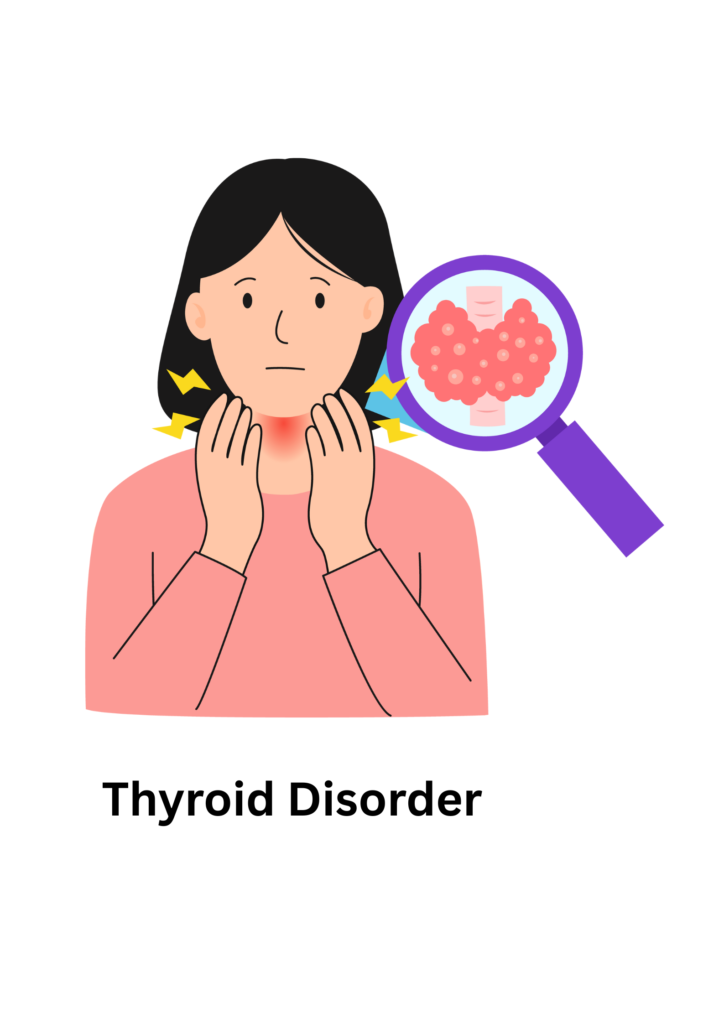
Thyroid Disorder
The thyroid gland affects reproductive hormones. Both overactive and underactive thyroid conditions can disrupt menstrual regularity.
Perimenopause
During perimenopause, hormonal levels fluctuate. This phase often leads to irregular periods before periods stop completely.
Lifestyle Factors That Affects Menstrual Regularity
Daily habits paly a major role in menstrual health.
Stress and Emotional Health
Stress affects more than your mood. In fact, it can directly affect your cycle. When under constant stress, your body releases stress hormones. These can interfere with ovulation. Over time, your period may come late or not come at all.
Moreover, emotional stress from work, school, or personal issues can also disrupt your cycle. Reducing stress often help bring back regular periods.
Excessive Exercise
Too much physical activities without enough calories may suppress reproductive hormones.
Weight Gain
Sudden weight gain or weight loss can confuse your body. As a result, hormone production may slow down or increase.
For example, extreme dieting can stop ovulation. On the other hand, excess body fat can increase estrogen level. Because of this, periods may be irregular.
Therefore, eating balanced meals and maintaining a healthy weight can help regulate your cycle over time.
Poor Nutrition
Lack of key nutrients such as iron and vitamin D, may affect hormonal function and cycle regularity.
Diagnosis of Irregular Menstruation
Early diagnosis help prevent long-term complications.
Medical History and Physical Examination
Your healthcare provider may review:
- Cycle length and frequencies
- Bleeding patterns
- Stress level checks
- Lifestyle habits
Laboratory Tests
Common tests may include:
- Hormonal level checks
- Thyroid function test
- Blood sugar test
- Iron level
Imaging Tests
- Pelvic ultrasound
- MRI and CT scan when necessary
Treatment Options for Irregular Menstruation
Treatment depends on the cause and severity of the symtoms.
Lifestyle Adjustments
Simple changes can make a big difference
Healthy Eating
- Eat balanced meals
- Include iron-rich foods
- Avoid extreme dieting
Stress Reduction
- Practice relaxation techniques
- Improve sleep quality
- Reduce emotional overload
Medical Treatments
Hormonal Therapy
- Birth control pills
- Progesterone supplements
Treating Underlying Conditions
- Thyroid medication
- PCOS treatment
- Blood sugar control
When to See a Doctor
You should seek medical advice if:
- Periods stop for several months
- Bleeding is very heavy or prolonged
- Pain affects daily life
- You experience frequent spotting
Early care helps prevent infertility, anemia, or severe pain
Learn how to calculate your ovulation https://polishedandhealthy.com/how-to-calculate-ovulation/
Frequently Asked Questions(FAQ) About Irregular Menstruation
Is irregular periods normal?
Yes, it can be normal at certain times. For example, it is common during teenage years, after childbirth, or before menopause. However, long-term irregular periods should be checked.
Can stress alone delay my period?
Yes, stress can delay or stop periods. This happens because stress hormones affect ovulation. Once stress level is reduced, cycle returns to normal.
When should I worry?
You should worry if your period stops for three months, becomes very heavy, or causes pain. Sudden changes in cycle should not be ignored.
Can irregular period affect fertility?
Yes, it can make ovulation random. As a result, getting pregnant may be harder.
However, many causes can be treated. With proper care, fertility can improve.
Pingback: Postpartum Depression: Sign, Struggles, Healing for New Moms
Pingback: Hormonal Imbalance in Women: Warning Signs to Know
Pingback: PCOS: Symptoms, Causes, & Natural Support