
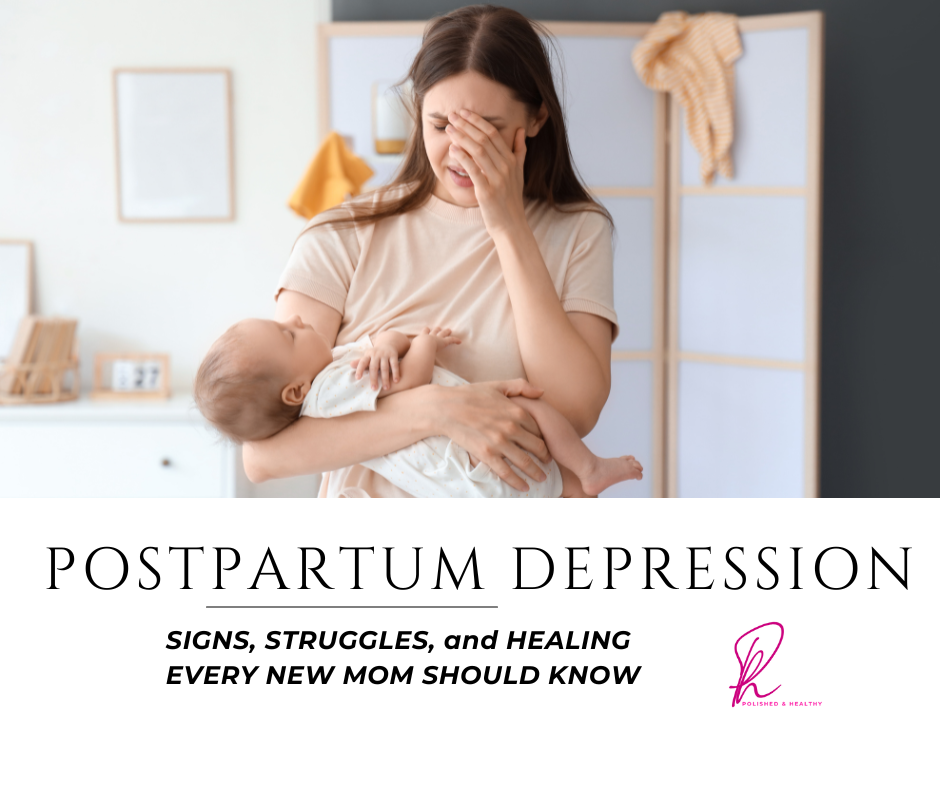
Postpartum depression affects many new moms. At first, most women expect happiness after childbirth. However, for many, reality feels very different. Instead of joy, they experience sadness, fear, or emotional numbness. Because of this, postpartum depression often goes unnoticed.
Unfortunately, many mothers stay silent. They may feel confused. They may believe something is wrong with them. In reality, postpartum depression is a medical condition. It is common. It is treatable. And most importantly, it is not a personal failure.
In this article, we explain the truth about postpartum depression. First, we explore what it is. Next, we discuss signs and causes. Then, we explain treatment and healing. Finally, we answer common questions every new mom asks.
What Is Postpartum Depression?
Postpartum depression(PPD) is a mood disorder after childbirth. It is more severe than baby blues. PPD affects emotions, daily life, and the bond with the baby.
It is not a personal weakness. Postpartum depression is a medical condition caused by hormonal, psychological, and environmental factors. Understanding this helps reduce stigma and encourages treatment.
How Common Is Postpartum Depression?
About1 in 10 women experience postpartum depression within a year of giving birth. https://www.cdc.gov/reproductive-health/depression/
Even though it is common, stigma and fear often prevent mothers from speaking out. Fortunately, awareness is increasing, and support resources are becoming more accessible. Understanding that postpartum depression is widespread can relieve feelings of isolation.
What Causes Postpartum Depression?
No single factor causes postpartum depression. Instead, several biological, emotional, and environmental factors cause PPD.
1. Hormonal Changes
After childbirth, hormone levels drop suddenly. Estrogen and progesterone decrease rapidly. As a result, mood regulation is affected.
This sudden shift can cause signs of depression.
2. Physical and Emotional Stress
Childbirth is physically demanding. Fatigue, sleep loss, and new responsibilities add stress.
Psychological Weakness
A history of depression or anxiety increases risk. Stressful life events, such as financial or relationship problems, can make signs worse.
Lack of Support
Mothers without family or social support may feel more stressed and isolated.
Signs and Symptoms of Postpartum Depression

Emotional Symptoms
Many mothers feel non-stop sadness. Others feel empty or numb. Crying may happen often. Irritability may increase, and joy may feel distant.
Additionally, mothers may feel disconnected from their baby, which can lead to guilt. Over time, guilt becomes severe.
Mental Symptoms
Thinking becomes harder, and focus decreases. Decision-making feels tiring. Worry about parenting ability increases.
Mothers feel they are failing even. even when they are not.
Physical Symptoms
Energy level drops. Sleep pattern changes. Appetite may increase or decrease.
Because these symptoms overlap with normal postpartum changes, many women dismiss them. However, when signs persist, attention is needed.
NOTE: When symptoms become severe, some mothers struggle to function daily. At this point, immediate professional support is important.
Postpartum Depression vs Baby Blues
Many women experience baby blues; this is normal. Baby blues usually begin a few days after birth. They may include mood swings and tearfulness. However, they fade within two weeks.
With postpartum depression, symptoms last longer. They feel heavier and interfere with daily life. Because of this, treatment is needed.
Knowing the difference helps mothers seek help faster.
Who Is at RISK?
Any mother can develop PPD. However, some factors increase risk.
These include:
- Previous depression or anxiety
- Pregnancy or birth complications
- Stressful life events
- Financial or relationship strain
- Limited social support
Risk factors do not guarantee PPD. However, they increase the chances of PPD. Therefore, awareness is important.
How Postpartum Depression Affects Daily Life
Postpartum depression affects more than mood. It also disrupts daily living. Over time, emotional distress can interfere with bonding, relationships, and self-care. Understanding these effects helps mothers recognize when support is needed.
Bonding With the Baby
For many mothers, bonding may feel difficult. At times, emotional connection feels distant or delayed. As a result, guilt often follows.
However, bonding difficulties are a symptom of postpartum depression, not a personal failure. With treatment and time, emotional connection can grow and strengthen.
Impact on Relationships
Postpartum depression also affects close relationships. Often, partners feel confused or unsure how to help. Communication may weaken. Gradually, emotional distance can develop.
Without proper support, tension increases. Therefore, open conversations and shared understanding are essential for healing.
Challenges with Self-Care
Daily tasks may begin to feel overwhelming. Simple activities, such as eating, bathing, or resting, can feel impossible. Over time, exhaustion worsens symptoms and deepens emotional fatigue.
Fortunately, help can interrupt this cycle. With the right support, daily functioning can improve.
Diagnosis and Professional Support
Diagnosis begins with conversation. Healthcare providers ask thoughtful questions. They listen carefully. They assess symptom severity and duration.
Early diagnosis improves outcomes. For this reason, honest communication is essential.
Doctors, midwives, and mental health professionals all play a role. When needed, referral to therapy or counseling follows, creating a structured recovery plan.
Treatment Options for Postpartum Depression
Treatment depends on severity. In most cases, a combination of approaches works best.
Therapy and Counseling
Therapy helps mothers process emotions in a safe environment. It builds coping skills. It also builds coping skills and reduces isolation.
Cognitive behavioral therapy is commonly used. Specifically, it focuses on thought patterns and emotional regulation.
Medication
In some cases, medication is recommended. This decision is always made with a healthcare provider. Benefits and risks are discussed carefully.
Some medications are considered compatible with breastfeeding. Medical guidance is essential.
Support Groups
Connecting with other mothers helps. Shared experiences reduce shame. As understanding grows. Support strengthens recovery.
Self-Care During Recovery
Self-care is not selfish. It is necessary for healing.
Start small. Rest when possible. Eat nourishing meals. Take gentle walks. Ask for help.
Even short moments of care matter. Over time, they support healing.
Role of Partners and Family in Postpartum depression
Support from loved ones is powerful. Practical help reduces stress. Emotional reassurance builds confidence.
Partners can help by listening. They can help by assisting with baby care. They can help by encouraging professional support.
Recovery improves when support is consistent.
When to Seek Immediate Help
Some situations require urgent care. These include:
- Inability to function daily
- Extreme emotional distress
- Sudden behavior changes
If this happens, professional help should be sought immediately. Support services and healthcare providers are available.
Hope and Healing
Postpartum depression can feel overwhelming. However, recovery is possible. Many women heal fully. With treatment, strength returns.
Importantly, motherhood does not require perfection. It requires support, honesty, and care.
You deserve help. You deserve healing. And you are not alone
Also, read about irregular menstruationhttps://polishedandhealthy.com/irregular-menstruation/