
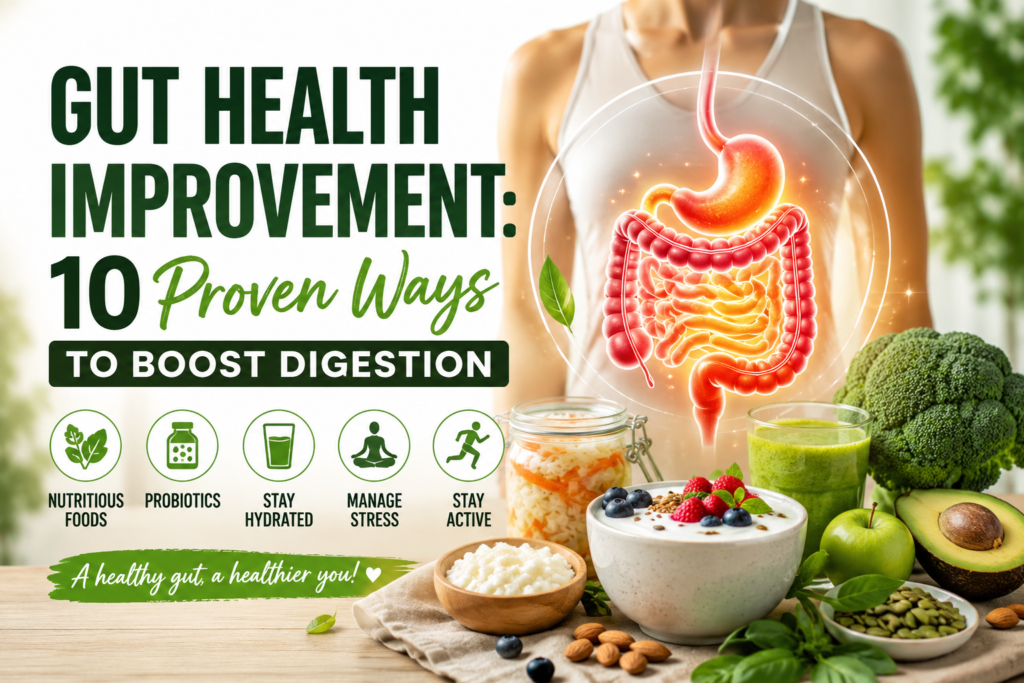
introduction
Gut health improvement is a cornerstone of overall wellness. The gastrointestinal system is home to trillions of microorganisms known as gut microbiome. These microbes play important roles in digestion, immune regulations, inflammation control, and even mental health via the gut-brain axis.
While many people associate bacteria with disease, a significant portion of gut microbes are beneficial and essential for maintaining health.
These microorganisms assist with:
- Digestion and nutrient breakdown
- Vitamin synthesis, including vitamin K and certain B vitamins
- Protection against harmful pathogens
- Regulation of inflammation
- Immune system communication
- Hormonal signaling
The diversity of the gut microbiome is considered one of the key indicators of digestive wellness. A more diverse microbiome is generally associated with better health outcomes and improved resilience against disease.
Several factors can negatively affect microbial diversity, including chronic stress, poor dietary habits, inadequate sleep, smoking, alcohol overconsumption, sedentary lifestyle, and excessive antibiotic use.
Because the gut microbiome influences multiple systems throughout the body, gut health improvement has become a major focus within preventive and lifestyle medicine.
Disruption of this ecosystem has been associated with bloating, constipation, fatigue, metabolic imbalance, and inflammatory conditions. Fortunately, research shows that target dietary and lifestyle modifications can significantly improve gut microbe balance over time.
This article provides a comprehensive, evidence-informed guide to gut health improvement through natural and sustainable methods
What is Gut health improvement?
Gut health improvement refers to the process of restoring balance, diversity, and optimal function of gut microbiome.
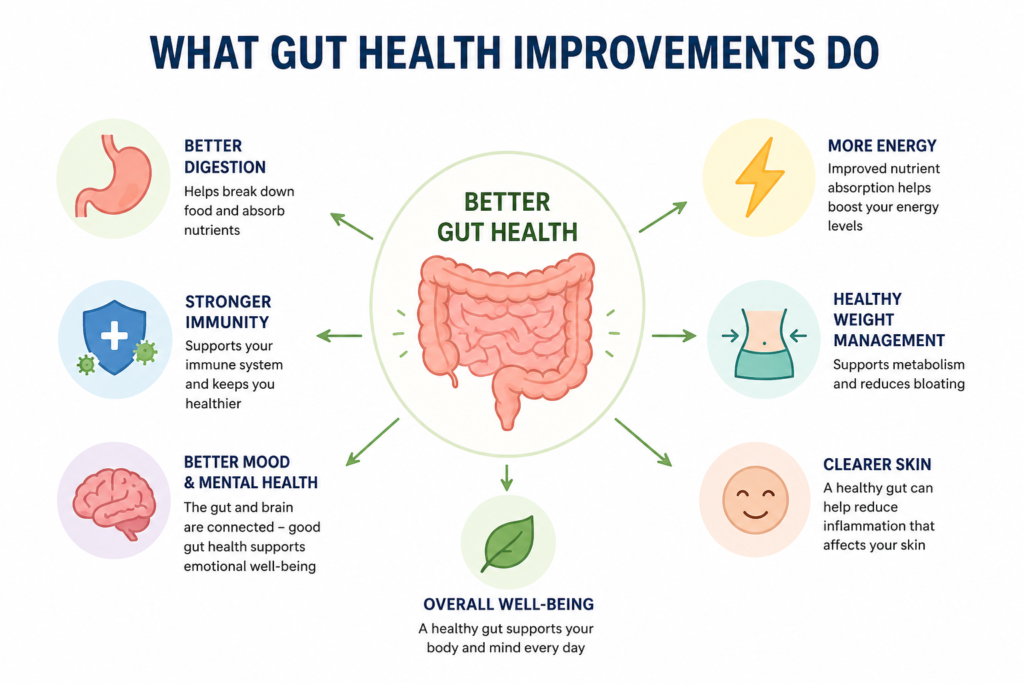
A healthy guy is characterized by:
- Efficient digestion and nutrient absorption
- Balanced microbial diversity
- Reduced gastrointestinal discomfort
- Strong immune system support
- Stable gut-brain communication.
Why Gut Health Improvement Matters
The gut is often referred to as the “second brain” due to it’s strong connection with the central nervous system. Research increasingly suggests that gut health extends far beyond digestion alone. The gut microbiome communicates with the brain, immune system, endocrine system, and metabolic pathways through a complex network of biochemical signals.
This relationship, commonly referred to as the gut-brain axis, explains why digestive disturbances are sometimes associated with mood changes, anxiety, fatigue, and concentration difficulties.
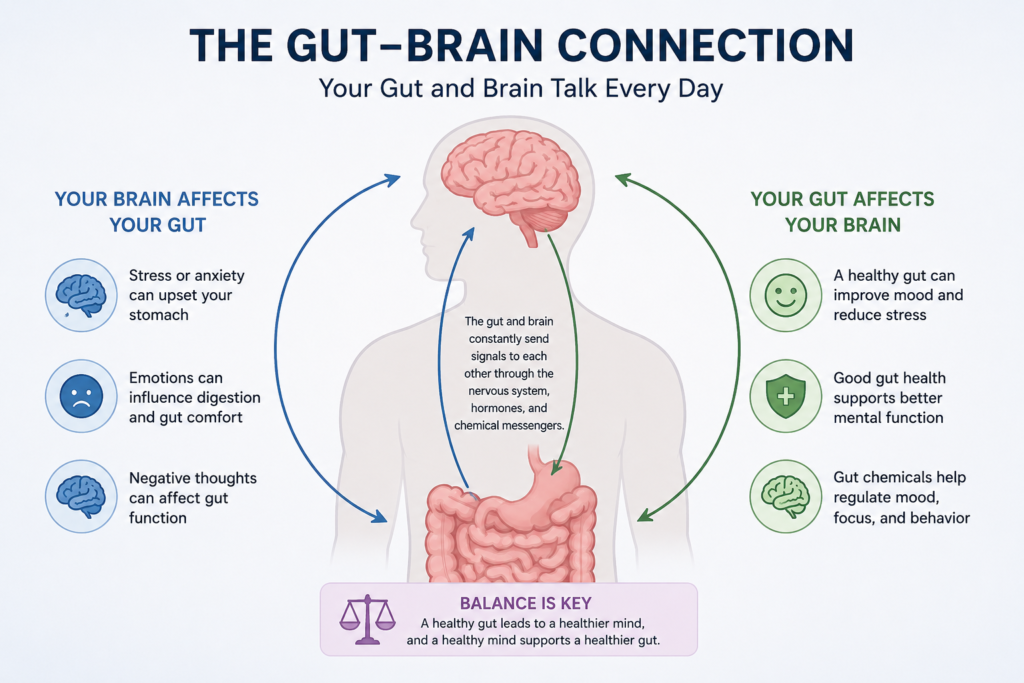
Maintaining a healthy gut may therefore support:
- Better energy levels
- Improved immune resilience
- Healthier digestion
- Reduced inflammation
- Enhanced nutrient absorption
- Better mood regulation
- Long-term metabolic wellness
Poor gut health may contribution to symptoms such as bloating, irregular bowel movements, food sensitivities, and fatigue.
10 Proven ways to support gut health naturally
1. Increase dietary fiber intake
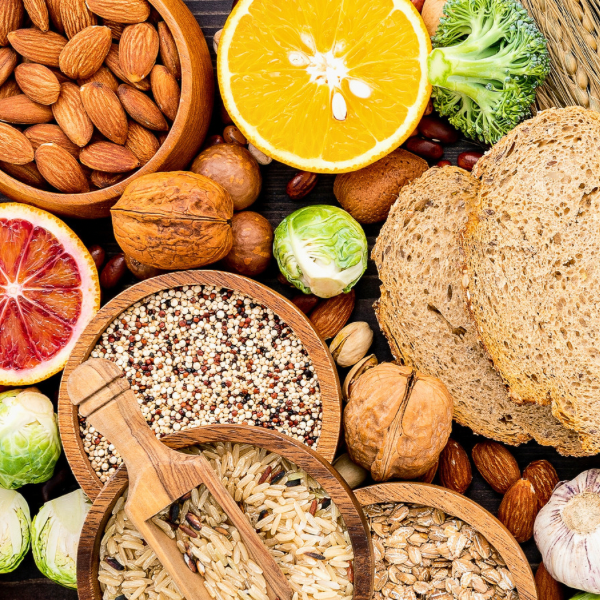
Fiber functions as a primary energy source for beneficial gut bacteria. When gut microbes ferment fiber, they produce short-chain fatty acids that help support intestinal lining integrity and reduce inflammation.
Many modern diets are low in fiber due to heavy consumption of processed foods. Increasing intake gradually through fruits, vegetables, legumes, seeds, and whole grains may help improve digestion while supporting microbiome diversity.
2. eat fermented foods
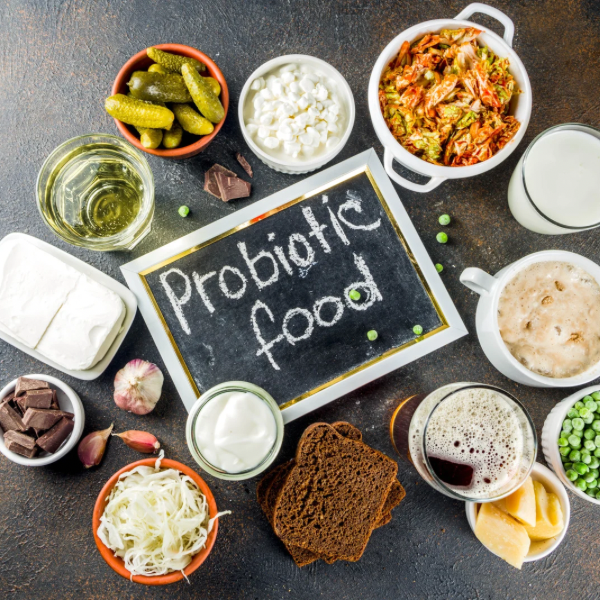
Fermented foods such as yogurt, kefir, kimchi, and sauerkraut introduce beneficial probiotics the help restore microbial balance and contain live microorganisms that may help replenish beneficial gut bacteria. These foods have been consumed traditionally in many cultures and are associated with digestive support.
Regular intake of fermented foods may improve microbial diversity and reduce certain digestive symptoms in some individuals. However, tolerance varies from person to person, so introducing them gradually may be beneficial.
3. stay well hydrated

Hydration plays a crucial role in digestive efficiency. Water supports food breakdown, nutrient absorption, stool softness, and bowel regularity.
Inadequate hydration may contribute to constipation and digestive discomfort. Maintaining consistent fluid intake throughout the day supports healthy gastrointestinal function.
4. limit ultra-processed foods

Ultra-processed foods are often low in fiber and high in added sugars, unhealthy fats, and additives. Excessive intake may negatively affect microbial diversity and increase inflammation.
Replacing heavily processed meals with whole-food alternatives may create a healthier environment for beneficial bacteria to thrive.
5. manage stress levels

Chronic stress disrupts gut-brain axis and may lead to digestive symptoms. Stress reduction techniques include meditation, breathing exercises, and mindfulness.
6. prioritize quality sleep

Sleep regulates hormonal and microbial rhythms, It is essential for many biological repair processes, including microbial regulation. Disrupted sleep patterns may negatively affect gut bacteria and hormonal balance.
Adults should aim for consistent sleep routines and sufficient sleep duration to support overall health and digestive wellness.
7. include prebiotic foods
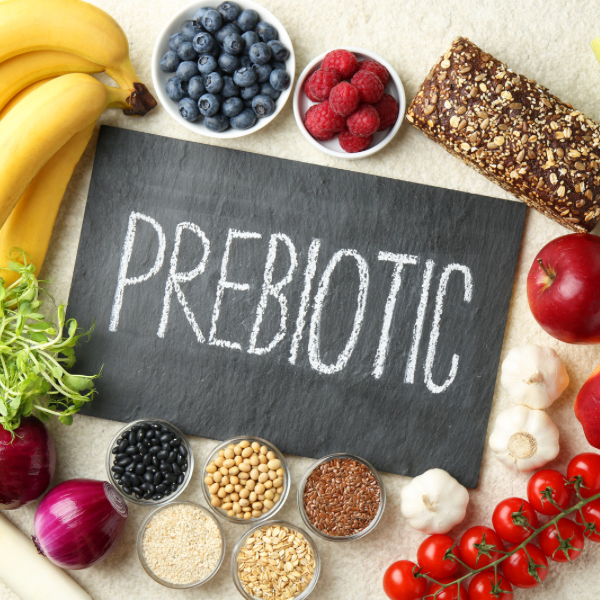
Prebiotics are non-digestible fibers that nourish beneficial gut bacteria. Unlike probiotics, which introduce bacteria, prebiotics help existing beneficial microbes grow and thrive.
Common prebiotic foods include garlic, onions, asparagus, oats, bananas, and leeks.
8. exercise regularly

Regular movement supports digestive motility and circulation while reducing stress levels. Studies suggest that physically active individuals often demonstrate greater gut microbiome diversity.
Moderate exercise such as walking, swimming, cycling, or strength training may contribute positively to digestive wellness.
9. abuse of antibiotic disrupts gut health improvement

Although antibiotics can be lifesaving medications, unnecessary or excessive use may disrupt beneficial gut bacteria alongside harmful bacteria.
Following medical guidance carefully and avoiding self-medication are important steps in protecting gut microbiome balance.
10.eat slowly and mindfully

Eating too quickly may contribute to bloating, overeating, and digestive discomfort. Proper chewing supports mechanical digestion and allows digestive enzymes to work more efficiently.
Mindful eating also helps individuals recognize hunger and fullness cues while reducing stress-related eating behaviors.
Probiotics vs Prebiotics Explained Simply
Probiotics are live beneficial bacteria that help improve gut balance. They are found in fermented foods like yogurt.
Prebiotics are types of fiber that feed these good bacteria. Without prebiotics, probiotics cannot function effectively.
For strong gut health improvement, both must be included in your diet regularly. Think of prebiotics as “food” and probiotics as the “workers” that keep your gut healthy.
lifestyle habits that enhances gut health improvement
Long-term gut health improvement requires consistency across multiple lifestyle domains:
- Balanced whole-food diets
- Regular physical activity
- Stress management practices
- Consistency sleep schedule
- Adequate hydration
Together, these habits creates a stable environment for healthy gut microbiome
For deeper understanding of how nutrition supports overall health, you can read our guide on essential nutrition for women: stay strong and balanced
Signs of Poor Gut Health
Gut microbiome imbalance may present differently among individuals. Common signs associated with poor gut health include:
- Frequent bloating
- Constipation or diarrhea
- Excessive gas
- Food intolerances or insensitivities
- Constant fatigue or low energy
- Brain fog
- Frequent sugar cravings
- Skin issues like acne or rashes
- Irregular appetite
- Mood fluctuations
Although occasional digestive symptoms are common, persistent symptoms should be evaluated by a healthcare professional. If you notice several of these signs regularly, it may indicate an imba
Foods That Support Gut Health Improvement
Several nutrient-dense foods may positively influence the gut microbiome when incorporated consistently into a balanced diet.
Examples include:
- Yogurt with live cultures
- Kefir
- Kimchi
- Sauerkraut
- Oats
- Chia seeds
- Apples
- Bananas
- Leafy greens
- Lentils
- Beans
- Garlic
- Ginger
Combining a variety of fiber-rich and fermented foods may help support microbial diversity and digestive health.
Simple 1-Day Gut Healing Meal Example
Here is a simple example of a gut-friendly day:
Breakfast: Oats with banana and yogurt
Lunch: Brown rice with vegetables and grilled fish or chicken
Snack: Fruits like apple or pawpaw
Dinner: Light vegetable soup with protein
This type of meal plan provides fiber, probiotics, vitamins, and minerals that support digestion and gut balance.
Practical Daily Routine for Gut Health Improvement
A simple daily routine can significantly improve digestion:
Start your morning with warm water to activate digestion. Include a fiber-rich breakfast such as oats or fruits.
Eat balanced meals throughout the day and avoid skipping meals. Drink water regularly and stay hydrated.
Take a short walk after meals to support digestion. In the evening, opt for lighter meals and avoid eating too late.
Over time, these habits support a healthier gut microbiome and improved digestion.
clinical perspective on gut health improvement
From a medical standpoint, gut health is increasingly recognized as a central factor in preventive medicine. While probiotics and supplements may play a role in specific cases, foundational lifestyle interventions remain the most evidence-supported approach.
Sustainable gut health improvement is achieved through long-term behavioral changes rather than short-term dietary restrictions.
Frequently Asked Questions About Gut Health Improvement
How long does gut health improvement take?
Gut health improvement varies depending on lifestyle, diet, stress levels, and overall health status. Some individuals may notice changes within a few weeks, while long-term improvement often requires consistent habits over several months.
Can probiotics improve gut health?
Probiotics may support gut microbiome balance in certain individuals. However, results vary, and probiotics are most effective when combined with healthy dietary and lifestyle practices.
What foods damage gut health?
Highly processed foods, excessive sugar intake, low-fiber diets, and excessive alcohol consumption may negatively affect gut microbiome diversity.
Does stress affect digestion?
Yes. Chronic stress can influence digestive function through the gut-brain axis and may contribute to symptoms such as bloating, stomach discomfort, and irregular bowel movements.
Is gut health connected to immunity?
Yes. A large portion of immune activity occurs within the gastrointestinal tract. A balanced gut microbiome helps support immune system communication and regulation.
Conclusion
Gut health improvement is a foundational aspect of long-term wellness. The gut microbiome influences digestion, immunity, inflammation, metabolism, and even mental well-being through the gut-brain connection.
Although digestive health challenges are increasingly common, many evidence-based dietary and lifestyle interventions can help restore microbial balance naturally. Increasing fiber intake, consuming fermented foods, staying hydrated, exercising regularly, managing stress, and prioritizing sleep all contribute to a healthier digestive environment.
Sustainable gut health improvement does not rely on restrictive trends or quick fixes. Instead, it is built through consistent daily habits that support the body over time.
By making gradual and realistic lifestyle changes, individuals can support digestive wellness and improve overall quality of life.
Very informative 👌🏾