
Introduction
PCOS Supplements for hormonal balance have become one of the most searched topics among women managing Polycystic Ovarian Syndrome. This is because PCOS is not just a reproductive condition – it is a complex hormonal and metabolic imbalance that affects insulin sensitivity, inflammation, menstrual regularity, and overall well-being.
While lifestyle changes such as diet, exercise, and stress management are essential, targeted nutritional supplements can play a supportive role in improving symptoms and restoring balance.
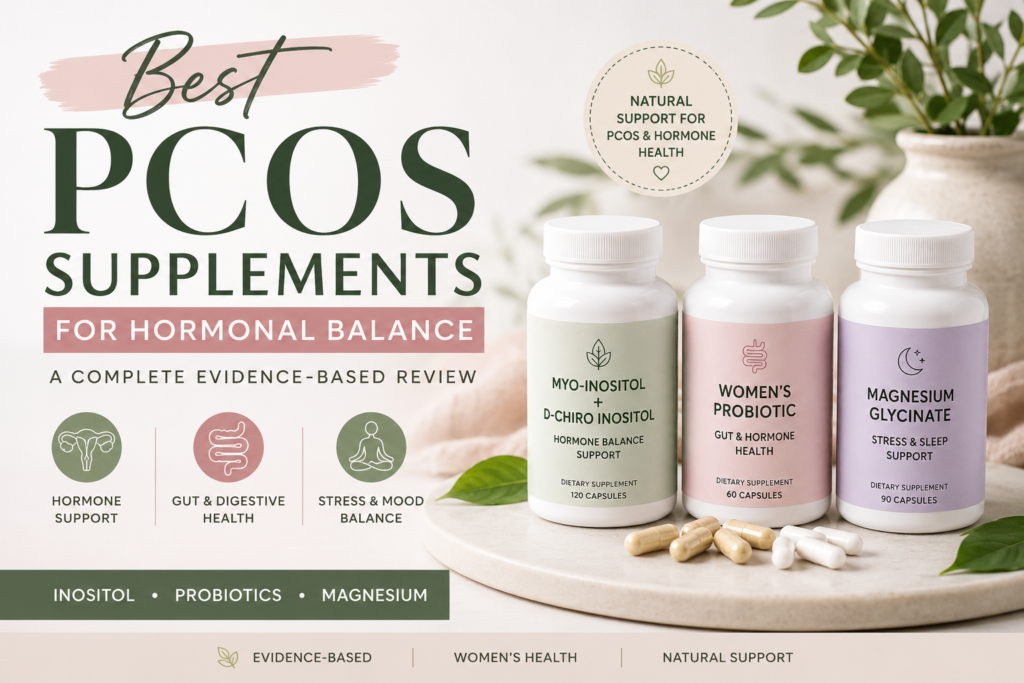
In this review, we will explore three of the most widely recommended and evidence-supported supplements for PCOS:
- Myo-Inositol + D-Chiro Inositol (Hormonal Support Supplement)
- Probiotics for Gut and Hormone Balance
- Magnesium Glycinate for Stress and Hormonal Regulation
This guide is written from a women’s health perspective and is designed to help you understand how these supplements work, who they are best suited for, and how they can fit into a holistic PCOS support plan.
Understanding PCOS and Why Supplements Matter
PCOS is driven by multiple underlying factors, including:
- Insulin resistance
- Elevated androgen levels (male hormones)
- Chronic inflammation
- Gut microbiome imbalance
- Stress-related cortisol disruption
Because of this complexity, no single treatment works alone. Instead, PCOS management requires a combination of nutrition, lifestyle, and supportive supplementation.
This is where PCOS supplements for hormonal balance become valuable—they do not “cure” PCOS but can significantly support the body’s natural regulatory systems.
1. Myo-Inositol + D-Chiro Inositol (Hormonal Balance Support)
What It Is
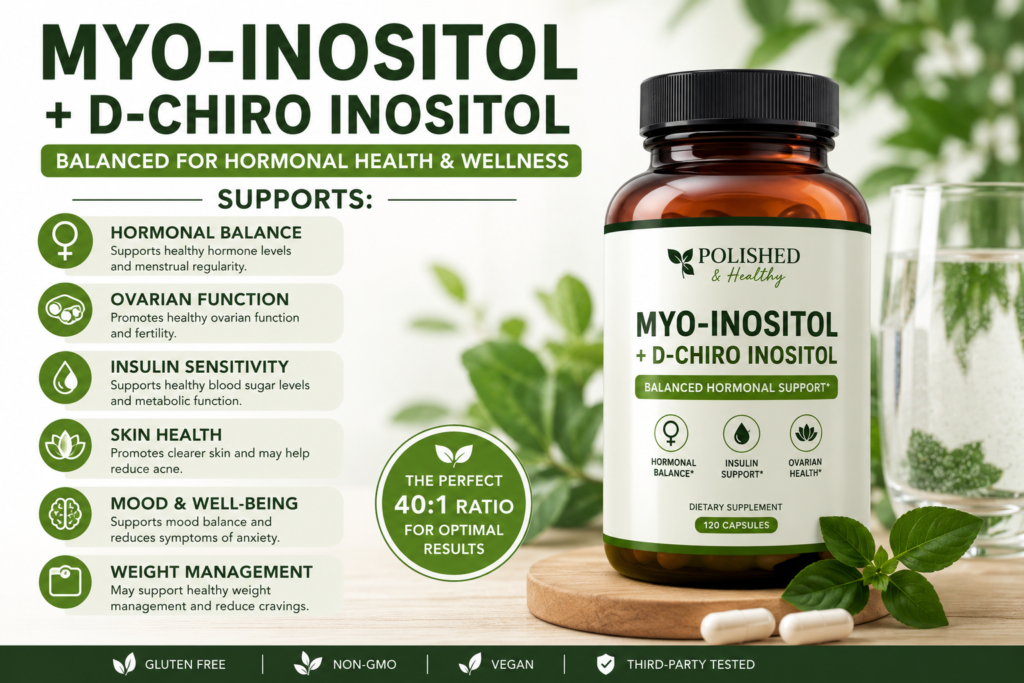
Inositol is a vitamin-like compound that plays a crucial role in insulin signaling and ovarian function. The most studied combination for PCOS is Myo-Inositol and D-Chiro Inositol in a 40:1 ratio.
How It Works
Inositol supports:
- Improved insulin sensitivity
- Reduced androgen levels
- Improved ovulation regularity
- Better egg quality in women trying to conceive
This makes it one of the most researched PCOS supplements for hormonal balance.
Benefits
Women using inositol often report:
- More regular menstrual cycles
- Reduced acne and hormonal breakouts
- Improved fertility markers
- Better energy levels
Who It Is Best For
- Women with irregular periods
- Women trying to conceive (TTC)
- Women with insulin resistance
- Women with acne-related hormonal imbalance
How to Take It
Most clinical studies use daily supplementation, often split into two doses.
You can shop high-quality Myo-Inositol supplements on Amazon here:
2. Probiotics for Gut and Hormone Health
What It Is
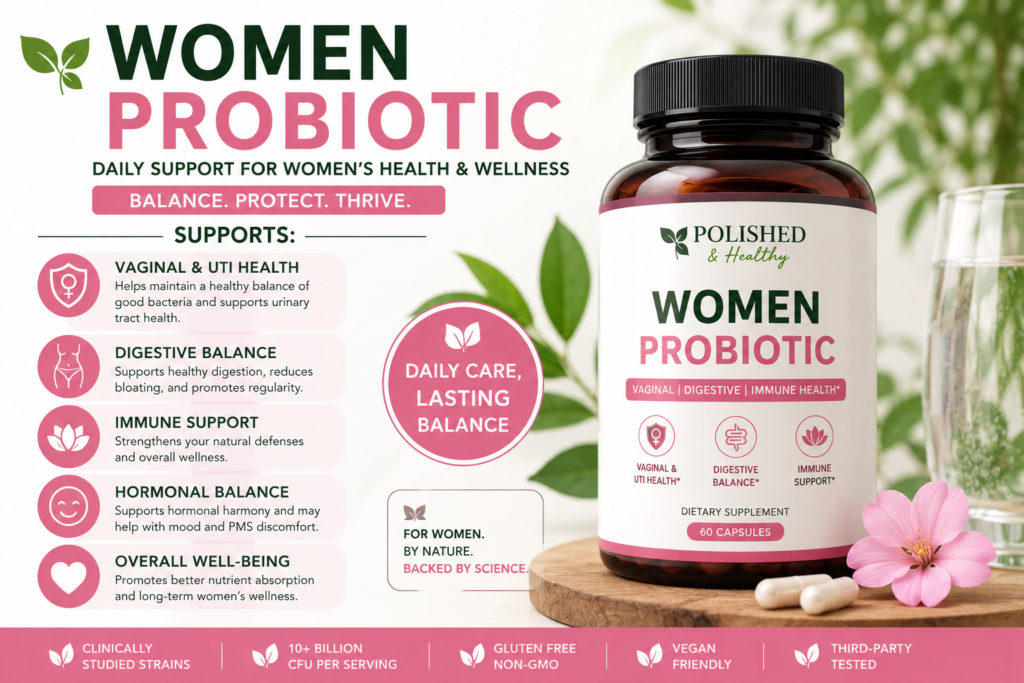
Probiotics are beneficial bacteria that support gut health. Emerging research shows a strong link between gut microbiome balance and hormonal health, especially in women with PCOS.
How It Works
Probiotics help by:
- Reducing inflammation in the gut
- Supporting estrogen metabolism
- Improving digestion and nutrient absorption
- Helping regulate insulin response indirectly
A healthy gut can significantly improve hormone regulation over time.
Benefits
Women with PCOS may experience:
- Reduced bloating
- Improved digestion
- Better skin clarity
- Reduced inflammation markers
- More stable mood and energy levels
Who It Is Best For
- Women with digestive issues
- Women experiencing bloating or IBS-like symptoms
- Women with inflammatory PCOS symptoms
- Women looking to improve overall metabolic health
How to Take It
Daily use is recommended, preferably with food for better absorption.
You can shop high-quality probiotic supplement on Amazon here
3. Magnesium Glycinate (Stress + Hormone Regulation)
What It Is
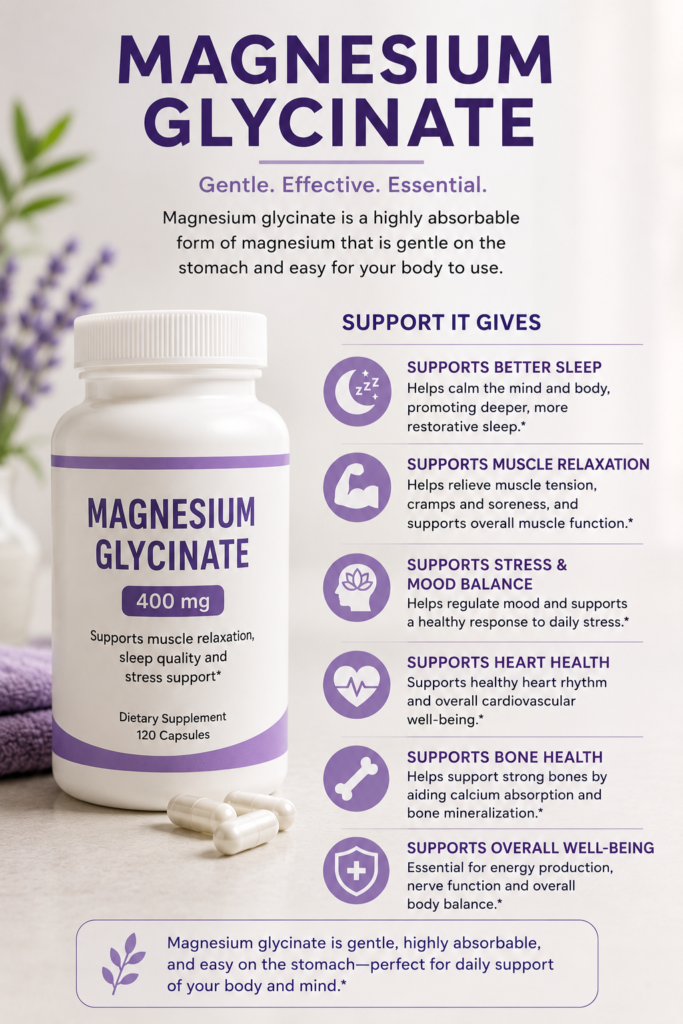
Magnesium glycinate is a highly absorbable form of magnesium known for its calming effects on the nervous system and its role in hormonal regulation.
How It Works
Magnesium supports:
- Cortisol (stress hormone) regulation
- Improved sleep quality
- Reduced insulin resistance
- Decreased PMS and menstrual cramps
- Nervous system balance
Stress is a major trigger for hormonal imbalance in PCOS, making magnesium an essential supportive nutrient.
Benefits
Women often report:
- Better sleep quality
- Reduced anxiety and stress
- Fewer menstrual cramps
- Improved mood stability
- Reduced sugar cravings
Who It Is Best For
- Women with high stress levels
- Women struggling with sleep
- Women experiencing painful periods
- Women with sugar cravings or fatigue
How to Take It
Commonly taken at night due to its calming effect.
You can shop high-quality magnesium glycinate on Amazon here.
Comparison Summary
| Supplement | Primary Benefit | Best For |
| Inositol | Hormonal + fertility support | Irregular cycles, TTC |
| Probiotics | Gut + inflammation balance | Digestive and skin issues |
| Magnesium Glycinate | Stress + sleep + hormones | Anxiety, cramps, fatigue |
Are Supplements Enough for PCOS?
While PCOS supplements for hormonal balance can significantly improve symptoms, they are most effective when combined with:
- Balanced nutrition (high protein, fiber-rich foods)
- Regular physical activity
- Stress management techniques
- Adequate sleep
Supplements should always be viewed as support tools, not standalone treatments.
Final Thoughts
Managing PCOS is not about perfection—it is about consistency and understanding your body’s needs.
The supplements reviewed in this article—inositol, probiotics, and magnesium glycinate—represent some of the most evidence-supported tools available today for hormonal balance support.
When used alongside lifestyle changes, they can help improve cycle regularity, reduce symptoms, and support long-term metabolic health.
Always consult a healthcare provider before starting any new supplement, especially if you are pregnant, TTC, or managing existing medical conditions.
Affiliate Disclaimer
This article may contain affiliate links. This means I may earn a small commission at no extra cost to you if you purchase through these links. This helps support my women’s health education work.