
introduction
Hormonal imbalance in women can affect nearly every aspect of health, including mood, energy, metabolism, sleep, skin, reproductive health, and even digestion. When hormone levels become too high or too low, the body often sends warning signs. Unfortunately, many women ignore these symptoms or assume they are normal.
However, hormonal imbalance in women can impact physical health, emotional well-being, fertility, and overall quality of life. Early recognition is important because untreated hormonal issues may lead to long-term complications.
In this article, you will learn what hormonal imbalance means, the signs you should never ignore, possible causes, treatment options, and natural ways to support hormonal balance.
What is hormonal imbalance
Hormonal imbalance happens when the body produces too much or too little of certain hormones. Hormones are chemical messengers made by glands in endocrine system. They travel through the bloodstream and help regulate many body functions.
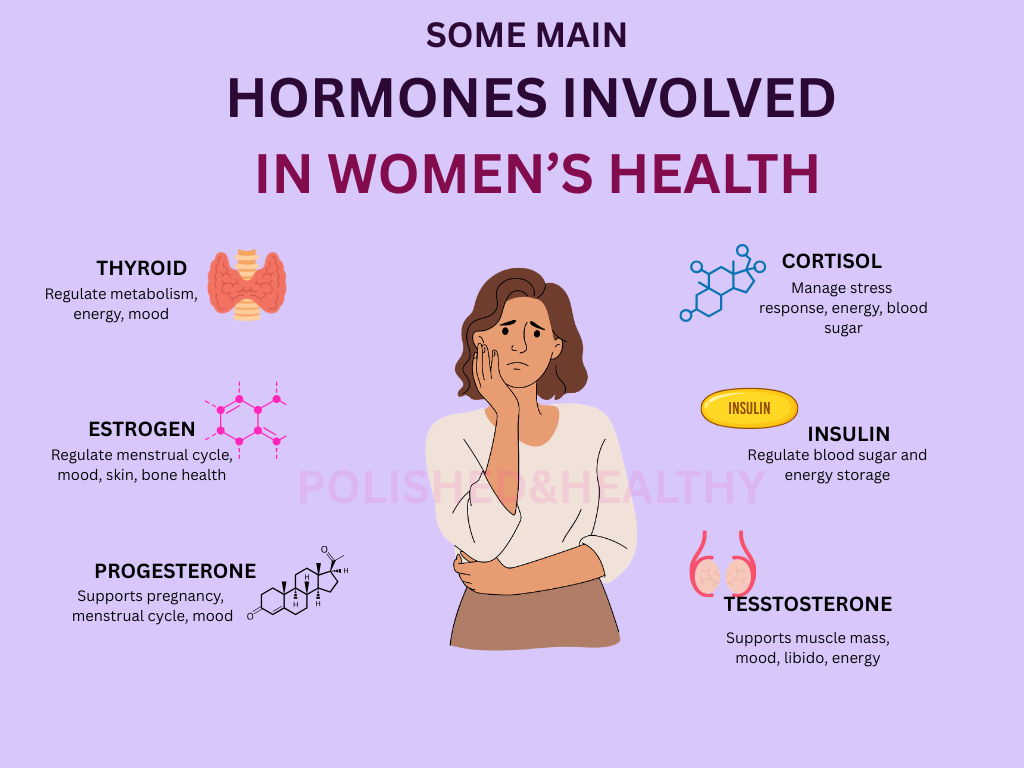
Some of the main hormones involved in women’s health include:
- Estrogen
- Progesterone
- Testosterone
- Thyroid hormones
- Insulin
- Cortisol
Even small hormonal changes can affect the body significantly. While temporary fluctuations are normal during menstruation, pregnancy, or menopause, persistent symptoms may indicate an underlying problem.
common signs of hormonal imbalance in women
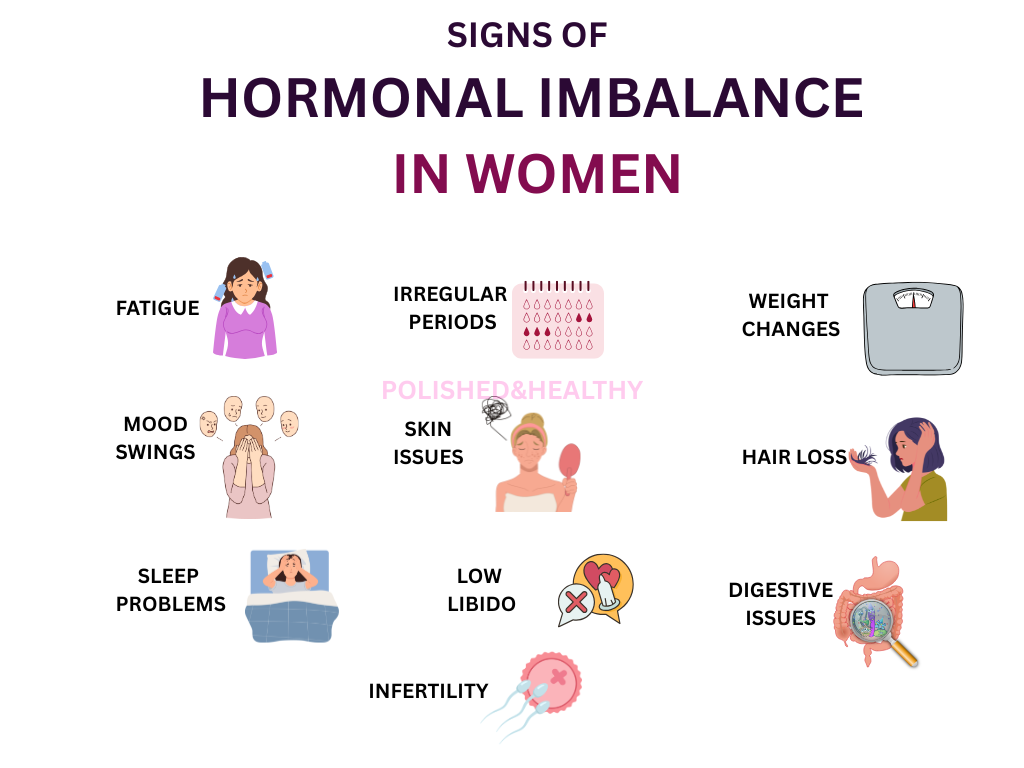
Many symptoms of hormonal imbalance develop gradually. As a result, they are often overlooked. Below are some common warning signs you should pay attention to.
1. irregular menstrual cycles
One of the most common signs of hormonal imbalance in women is an irregular period.
Your hormones control ovulation and menstruation. Therefore, these changes in estrogen or progesterone levels may cause:
- Missed periods
- Heavy bleeding
- Very light periods
- Spotting between periods
- Short or long cycles
Occasional irregularities can happen. However, consistent menstrual changes should not be ignored.
2. unexplained weight gain or weight loss
Hormones strongly influence metabolism and appetite. When hormones become imbalanced, sudden weight changes may occur.
For example:
- Low thyroid hormones levels may slow metabolism and cause weight gain.
- Insulin resistance may increase fat storage.
- High cortisol levels linked to stress can lead to abdominal weight gain
At the same time, overactive thyroid hormones may cause unexpected weight loss.
If your weight changes despite maintaining the same eating and exercise habits, hormones could be involved.
3. Persistent fatigue
Feeling tired after a long day is normal. However, ongoing exhaustion that does not improve with rest may signal a hormonal issue.
Hormonal imbalances linked to fatigue include:
- Thyriod disorder
- Low estrogen
- Higu cortisol
- Insulin resistance
In many cases, women describe this fatigue as feeling drained all the time.
4. mood swings, anxiety, or depression
Hormones affect the brain chemistry and emotional health. Therefore, imbalances can contribute to mood swings
Some women may experience:
- Irritability
- Anxiety
- Sadness
- Depression
- Difficult concentrating
- Increased emotional sensitivity
Fluctuating estrogen levels can affect serotonin, which is a neurotransmitter that influences mood.
Additionally, chronic stress may raise cortisol levels, worsening anxiety and emotional instability.
5. Acne and skin changes
Hormonal acne is common in women, especially around the jawline and chin.
High androgen levels may increase oil production in the skin. As a result, clogged pores and acne breakouts can develop.
Hormonal imbalances may cause:
- Dry skin
- Increase skin sensitivity
- Darkened skin patches
- Excessive sweating
If acne suddenly appears in adulthood or worsens over time, hormones maybe contributing.
6. Hair loss or excessive hair growth
Changes in hair growth patterns are another important warning sign.
Hormonal imbalance may cause:
- Thinning hair
- Hair shedding
- Receding hairline
- Excessive facial hair
- Increased body hair
Conditions such as polycystic ovary syndrome (PCOS ) often increase androgen levels, which may lead to unwanted hair growth
Meanwhile, thyroid problems can contribute to hair thinning.
7. sleep problems
Hormones help regulate sleep cycles. Therefore, imbalances may interfere with sleep quality.
Women experiencing hormonal imbalance may struggle with:
- Difficult falling asleep
- Night sweats
- Frequent waking
- Insomnia
- Restless sleep
Low progesterone levels can affect relaxation, while stress hormones may keep your body in alert mood.
Poor sleep can then worsen hormonal imbalance, creating a frustrating cycle.
8. low libido linked with hormonal imbalance
A reduced sex drive can sometimes be linked to hormonal changes.
Low estrogen or testosterone levels may contribute to:
- Decrease sexual desire
- Vaginal dryness
- Pain during intercourse
- Reduced arousal
This symptoms can affect relationships, and emotional well-being. Therefore it should be dismissed. Ever wondered if you can get pregnant with PCOS, read all answers to your question here.
9. digestive issues
Many people do not realize that hormones could influence digestion.
Hormonal imbalance may contribute to:
- Bloating
- Constipation
- Diarrhea
- Nausea
- Changes in appetite
For example, stress hormones can affect gut health and digestion. Additionally, hormonal fluctuations during menstruation may temporarily affect bowel habits.
Persistent digestive symptoms should be evaluated carefully.
common causes of hormonal imbalance in women
Several conditions and lifestyle factors can interfere with hormonal balance
polycystic ovary syndrome (pCOS)
Polycystic ovary syndrome is one of the most common hormonal disorder in women.
It may cause:
- Irregualr periods
- Acne
- Fertility problem
- Excessive weight gain.
PCOS causes PCOS belly which is very difficult to get rid of. To know more about PCOS belly and how to get rid of it, read PCOS Belly: Causes, Symptoms and How to Reduce it Naturally. PCOS is often associated with insulin resistance and elevated androgen levels.
Thyroid disorders
The thyroid gland controls metabolism and energy production.
Conditiond such as:
- Hypothyroidism
- Hyperthyroidism
can significantly affect hormone balance and overall health.
Chronic Stress
Stress increases cortisol production. While cortisol is necessary for survival, long-term elevations may negatively affect other hormones.
Chronic stress can conttibute to:
- Weight gain
- Sleep problems
- Mood changes
- Menstrual irregularities
Perimenopause and Menopause
As women age, estrogen and progesterone levels naturally decline.
This transition may lead to:
- Hot flashes
- Mood swings
- Sleep disturbances
- Vaginal dryness
- Irregular periods
Diabetes and Insulin Resistance
Insulin is a hormone that regulates blood sugar. When the body becomes resistant to insulin, hormone balance may be affected.
This condition may also increase the risk of PCOS and weight gain.
Poor Diet and Lifestyle Habits
Diet and lifestyle choices strongly influence hormones.
Factors that may contribute to imbalance include:
- Lack of sleep
- Sedentary lifestyle
- Excess sugar intake
- Highly processed foods
- Excess alcohol consumption
- Smoking
When Should You See a Doctor?
Some hormonal fluctuations are normal. However, persistent or severe symptoms should not be ignored.
You should seek medical advice if you experience:
- Missing periods for several months
- Severe fatigue
- Sudden weight changes
- Persistent acne
- Excess facial hair
- Difficulty getting pregnant
- Severe mood changes
- Heavy menstrual bleeding
Early diagnosis may help prevent complications and improve quality of life.
How Hormonal Imbalance Is Diagnosed
Healthcare providers may use several methods to evaluate hormonal health.
These may include:
- Medical history review
- Physical examination
- Blood tests
- Thyroid function tests
- Ultrasound scans
- Blood sugar testing
Testing helps identify the underlying cause and guide treatment decisions.
Treatment Options for Hormonal Imbalance
Treatment depends on the cause of the imbalance.
Lifestyle Changes
In many cases, healthy lifestyle habits can improve hormonal health.
Helpful strategies include:
- Eating balanced meals
- Exercising regularly
- Managing stress
- Getting enough sleep
- Staying hydrated
Even small daily habits can support hormone regulation over time.
Medications
Some women may require medications such as:
- Birth control pills
- Thyroid medications
- Insulin-sensitizing drugs
- Hormone therapy
Treatment should always be guided by a qualified healthcare professional.
Stress Management
Reducing stress is important for hormonal health.
Helpful stress-management techniques include:
- Meditation
- Deep breathing
- Yoga
- Walking
- Journaling
- Spending time outdoors
Lowering stress levels may help regulate cortisol and improve overall well-being.
Natural Ways to prevent Hormonal imbalance
Although natural remedies cannot replace medical treatment when necessary, they may help support hormonal health.
Eat More Whole Foods
Whole foods provide nutrients needed for hormone production and regulation.
Focus on:
- Fruits
- Vegetables
- Healthy fats
- Lean proteins
- Whole grains
Support Gut Health
The gut microbiome plays an important role in hormone metabolism.
Foods that may support gut health include:
- Yogurt
- Kefir
- Fiber-rich foods
- Fermented foods
Prioritize Sleep to prevent
Sleep is essential for hormone regulation.
Aim for:
- 7–9 hours of sleep nightly
- A consistent sleep schedule
- Reduced screen time before bed
Exercise Regularly
Regular movement supports metabolism, insulin sensitivity, and stress reduction.
Activities may include:
- Walking
- Strength training
- Cycling
- Dancing
- Swimming
Moderate, consistent exercise is usually more sustainable than extreme workouts.
Can Hormonal Imbalance Be Prevented?
Not all hormonal conditions are preventable. However, healthy habits may lower the risk of certain imbalances.
Helpful prevention tips include:
- Maintaining a healthy weight
- Managing stress
- Eating nutritious foods
- Sleeping well
- Limiting processed foods
- Attending regular medical checkups
Listening to your body and addressing symptoms early is also important.
Final Thoughts on hormonal imbalnce in women
Hormonal imbalance in women can affect nearly every aspect of health, including mood, sleep, skin, energy, fertility, and metabolism. Although some symptoms may seem minor at first, persistent changes should not be ignored.
Fortunately, early recognition and proper treatment can improve symptoms and overall well-being. Lifestyle changes, stress management, medical care, and healthy daily habits may all play an important role in restoring balance.
If you suspect a hormonal imbalance, speaking with a healthcare professional is an important first step toward understanding your body and protecting your long-term health.
Pingback: PCOS: Symptoms, Causes, and Natural Support
Pingback: PCOS Belly: Causes, Symptoms, and How to Reduce It Naturally
Pingback: PCOS Inositol Supplements: The Secret to Hormonal Balance?
Pingback: How to Lose Weight With PCOS: 8 Steps for Sustainable Results
Pingback: Trying to Conceive Naturally? 15 Proven Fertility Tips